
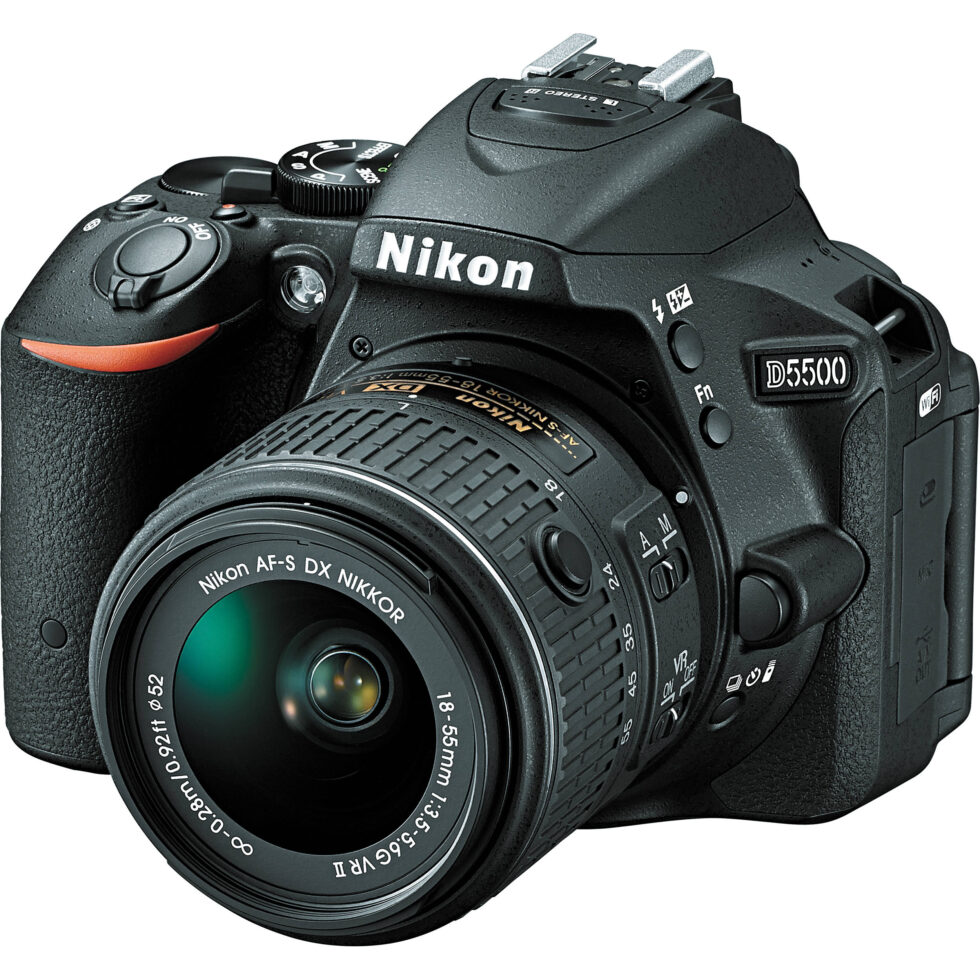
Getting to know your digital camera
The world looks entirely different when you view it through a lens. Stepping up to a digital camera—whether it’s your first mirrorless body, a trusty DSLR, or a compact point-and-shoot—is about moving from simply capturing snapshots to intentionally creating images. It changes how you see light, framing, and moments.
I am sharing these ideas to the newbies so that they may understand the basic digital camera settings. Many of these are based on my knowledge and experience as a photographer. This will help you understand on the basic knowledge towards getting the best picture you want.
Correct cameras settings deliver good images with good exposure. It is important that you as the user knows how to adjust specific settings. Adjust settings for varying environments and distances.
Cameras bring the glimpse of the memories of our past. But if camera settings, are not correct, it may lead to disaster.
Know what are the settings of your digital camera
Different camera brands may vary in settings.. But most of the cameras have these in common:
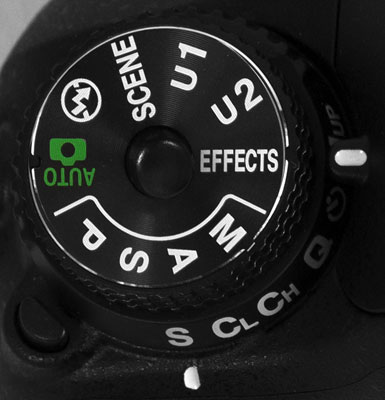
- Automatic Settings (Auto) – The camera is the one that sets its shutter speed, ISO and flash settings based on its built-in sensor.
- Manual Setting (M) – Manual Setting allows you to have full control of the aperture, shutter speed and ISO as well as the flash.
- Aperture Priority (A) – The camera does all the settings except the aperture. Depth-of-field is being controlled in this setting.
- Shutter Speed Priority (S)- The camera does all the setting except the shutter speed. Shutter speed here is the amount of time the camera opens allowing light to hit your camera sensor. More light come during longer shutter speed. It is always measured as a fraction of a second. 1/80s is longer than 1/125s
- Program Auto (P) – Photographers observe this setting as “ISO Priority”. The ISO can be set and the rest is managed by the camera
Get acquainted with minimum and maximum ISO sensitivity.
ISO is the standard sensitivity of camera sensors to light. Cameras have different range of sensitivity as they differently built. Cheap cameras normally have lower range of ISO sensitivity while high-end cameras have higher range of ISO sensitivity.
Use higher ISO during low light situations while use low ISO setting when used during the day.
Be familiar with the lens attached.
Lenses are of various make and use. For example, zoom lenses are normally for everyday use. Their apertures are variable so one need to change ISO settings to maintain good exposure.
On the other hand, fixed lenses can maintain aperture. Bokeh or depth-of-field is easily controlled. Prime lenses are ideal if the subjects are stationary. It could be a disadvantage if the subjects keep on varying their distances.
Learn the behavior of light
Photography means drawing with light. Possessing better understanding of this behavior will lead you to understand on how it will work with your camera. Learn the concept of one light and discover pictures made with this situation.
Try situation where there are many light sources. Observe the picture made by your camera. Compare pictures when there is only one light source. Did you see any difference?
Have an experience of backlighting. What picture did you make? What are some ways to illuminate subjects when there are strong and hard light at the back. Get these techniques by discovering on your own.
If you want more you search in any of the search engine like www.google.com for more information and you find a lot of ideas regarding this topic. Happy shooting!

