

The Canvas of the Sea: Inside the Iloilo Paraw Regatta Festival
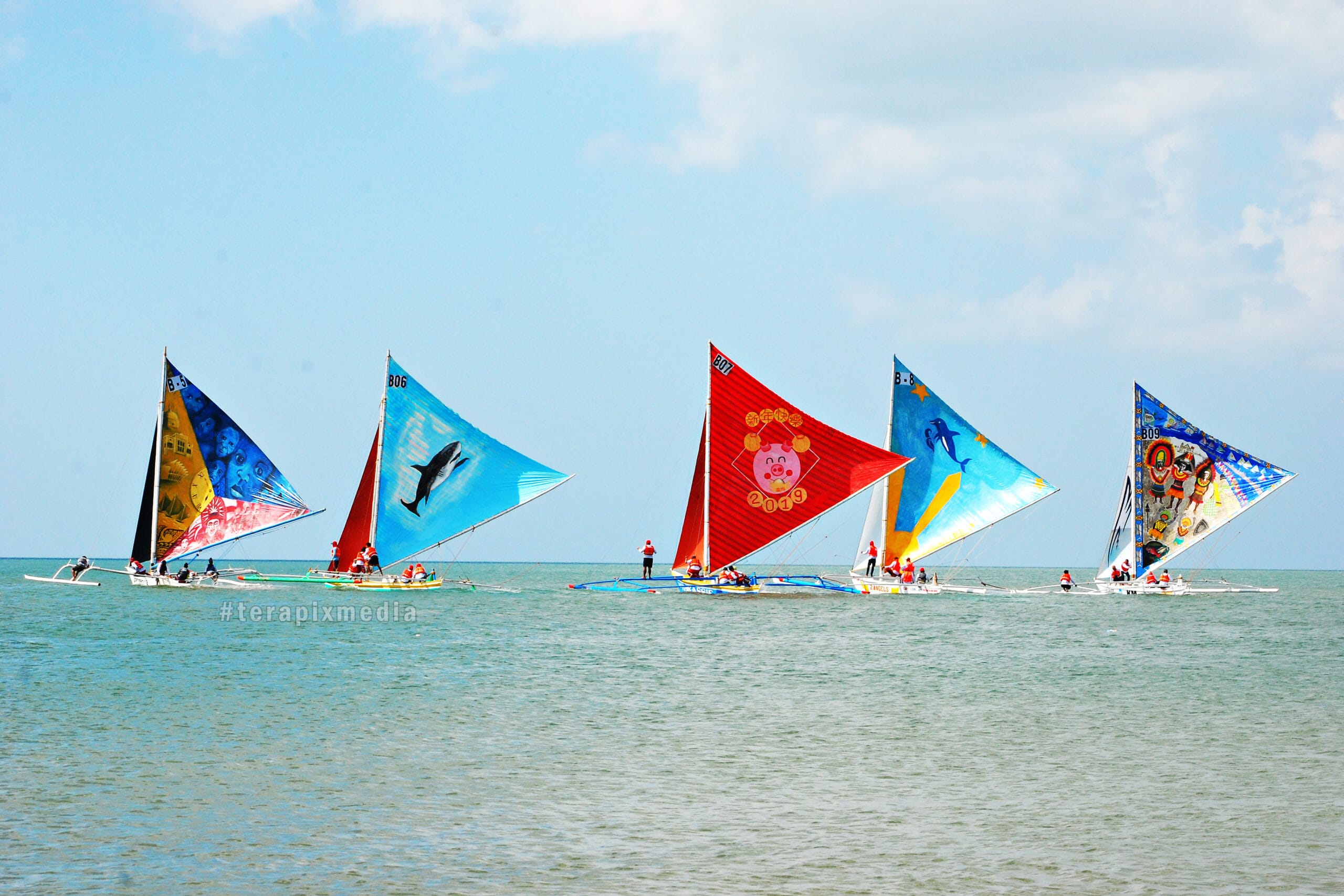
Every February, the shores of Villa Beach in the Arevalo district of Iloilo City transform into a breathtaking, living gallery. As the morning sun pierces through the horizon, casting a golden hue over the Iloilo Strait, the shoreline buzzes with a unique, electrifying energy.
Hundreds of spectators, from seasoned global travelers to local families sharing packed lunches, gather along the coast. They await one of the most spectacular cultural and maritime showcases in Southeast Asia: the Iloilo Paraw Regatta Festival.
The festival represents far more than a mere weekend of competitive boat racing. It serves as a profound, living tribute to the resilient spirit, brilliant craftsmanship, and enduring seafaring heritage of the Ilonggo people. Dubbed the oldest traditional craft event in Asia and the largest sailing event in the Philippines, the Paraw Regatta beautifully stitches together the threads of ancient history and contemporary community pride.
Echoes of the Past: How It All Started
To truly appreciate the grand scale of today’s festivities, one must look back hundreds of years into the maritime history of the Panay Gulf. Long before Western colonizers set foot on Philippine shores, the native Visayans relied entirely on the sea for sustenance, trade, warfare, and survival. The primary vehicle for this island life was the paraw—a swift, double-outrigger sailboat engineered to slice through choppy waters with remarkable grace.
By the mid-20th century, however, modern technology threatened to swallow this ancient art. The introduction of cheap, motorized diesel engines—which transformed traditional paraws into noisy “pumpboats”—caused a sharp decline in wind-powered seamanship. Concerned local sailing enthusiasts, cultural advocates, and tourism officials recognized that a crucial piece of Ilonggo identity was slipping away.
In 1973, these advocates organized the very first Paraw Regatta. The initial event was modest: a simple, half-day race designed to give local fishermen a platform to showcase their navigation skills. Interestingly, the festival also gained a boost from an unexpected historical backdrop: the global oil crisis of the 1970s. Suddenly, promoting eco-friendly, zero-emission sea travel that relied purely on the wind made practical sense. What began as a humble initiative to preserve a dying craft quickly captured the imagination of the public.
The Annual Celebration: A Symphony of Wind and Canvas
Decades later, that half-day race has evolved into an expansive, week-long cultural extravaganza. The festival takes place every third weekend of February, carefully timed when the Amihan (northeast monsoon winds) blows steadily across the Visayas. This wind provides the perfect, high-stakes testing ground for the participants.
Stars of the Strait: Festival Highlights
While the entire week features various spectacles, several cornerstone activities define the true essence of the Paraw Regatta Festival.
The Main Sailing Race
The undisputed crown jewel of the festival is the 30-plus kilometer endurance race across the treacherous Iloilo Strait. The challenging course begins at Villa Beach, sends sailors battling the currents toward neighboring Guimaras Island, and guides them back to the mainland.
Competing boats are strictly categorized to maintain fairness and preserve tradition. Category A features smaller paraws (16 feet and below) that must be constructed using only traditional wood, bamboo, and classic techniques. Larger categories allow modern materials but keep the focus on wind propulsion. Watching dozens of these vessels launch simultaneously into the surf—their massive sails catching the wind in perfect unison—is an unforgettable visual that mirrors a dynamic painting come to life.
Pinta de Layag and Pinta Tawo
The Paraw Regatta is as much an art festival as it is a sporting event. Through the Pinta de Layag competition, local canvas painters turn the massive triangular sails of the paraws into towering public murals. These sails display intricate, vibrant depictions of Ilonggo folklore, maritime history, and environmental protection. Simultaneously, the Pinta Tawo competition brings human canvases to life. Body paint artists cover models in striking patterns inspired by sea creatures, tribal tattoos, and indigenous cultural motifs.

Iloilo Paraw Slalom and Junior Races
For spectators who prefer close-shore action, the Paraw Slalom provides immediate thrills. Unlike the long-distance race, the slalom features a short, winding course marked by buoys just a few meters from the beach. Sailors must maneuver their craft through sharp, rapid turns, displaying mind-boggling agility and reflexes. To ensure that this heritage survives well into the future, organizers recently introduced a Junior Slalom Race category, which trains young teenagers aged 12 to 16 in the complex art of wind navigation.
Sinamba sa Regatta
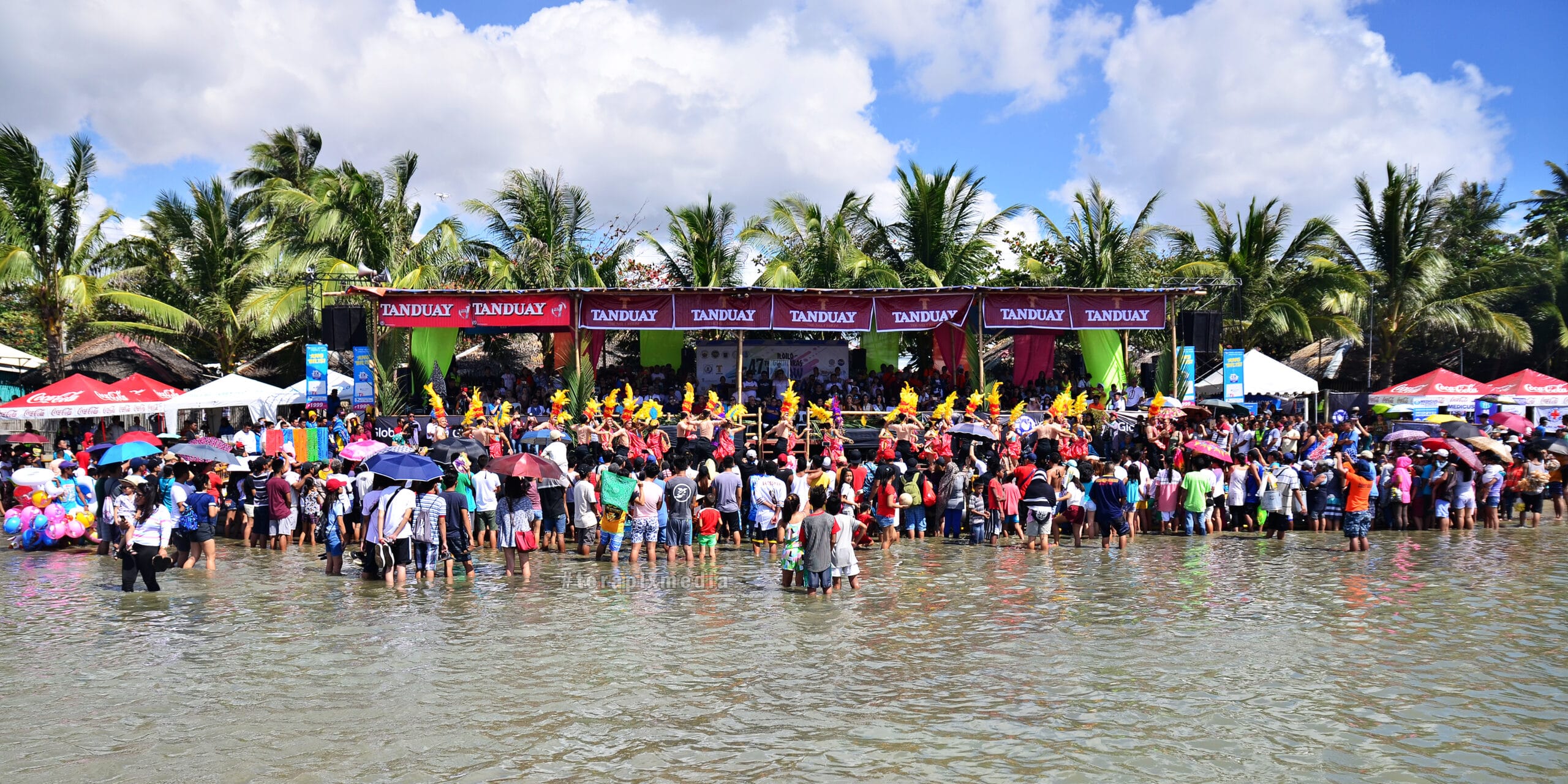
When the sun begins to set, the rhythm of the festival shifts from the crash of the waves to the thunder of the drums. The Sinamba sa Regatta is a world-class street dancing and music Mardi Gras competition. Dance troupes dressed in exotic, sea-inspired costumes perform high-energy, samba-infused routines along the beachfront. The intoxicating beats keep the crowds dancing well into the evening, culminating in a massive beach party known as “Reggae-ta” and a spectacular fireworks display over the ocean.
Anchored in Resilience
At its core, the Iloilo Paraw Regatta Festival succeeds because it refuses to let history become a static museum exhibit. Instead, the festival celebrates heritage as something dynamic, sweaty, fast, and intensely alive. The paraw stands as a beautiful metaphor for the Ilonggo people themselves: an elegant structure built from humble, local roots, balanced perfectly to survive turbulent storms, and always propelled forward by the invisible forces of passion, unity, and shared community identity.
When the last sails finally lower and the sea turns quiet again, the spirit of the regatta lingers on the shores of Iloilo, waiting patiently for the next year’s winds to rise.